Seven Doors: The Paths Lennon Cut That American Artists Keep Walking Through

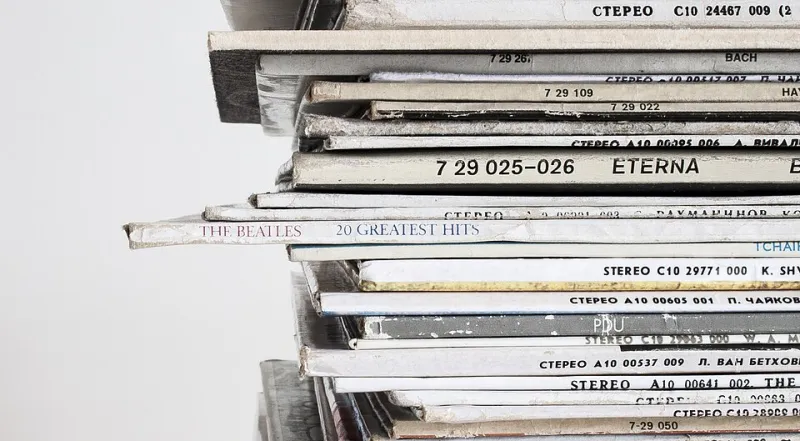
Photo by Photo by Panos Sakalakis on Unsplash on Unsplash
Influence is a strange inheritance. It rarely announces itself. It arrives instead as a habit, a recording technique, a way of speaking plainly about pain and politics in the same breath. John Lennon left behind more than a catalog; he left behind doorways. Here are seven of them, and the Americans who walked through.
1. The Studio as Confessional
When Lennon recorded 'Julia'—alone, unaccompanied, singing about his dead mother—he effectively told every songwriter who followed that a song could be a diary entry and still be art. American musicians from Kurt Cobain to Phoebe Bridgers built entire careers on that permission. The stripped-down, unguarded take is now an industry standard. It started as an act of nerve.
2. The Celebrity Who Endorsed a Candidate
Lennon's support for progressive causes, and his willingness to attach his name to political movements at genuine personal risk—including the Nixon administration's attempt to deport him—paved a road that American artists from Bruce Springsteen to Taylor Swift have since traveled. Before 1970s Lennon, the assumption was that stars stayed quiet and let the managers manage. He demonstrated the cost, and the value, of not staying quiet.
3. The Elton John Sessions
Lennon's 1974 guest appearance on Elton John's cover of 'Lucy in the Sky with Diamonds'—repaid when Lennon joined him onstage at Madison Square Garden for what became his final live performance—modeled something American pop took to heart: the superstar guest verse as mutual elevation rather than ego contest. The modern 'feat.' credit has a genealogy, and it runs through that night in New York.
4. Sampling the Dreamer
When hip-hop producers began mining the Beatles' catalog for samples, they were doing something Lennon himself had encouraged: treating music as a commons rather than property to be guarded. Tracks built on Beatles bones—by everyone from the Beastie Boys era onward—carry a small argument inside them about who art belongs to. Lennon's own famously loose, collaborative approach to songwriting made that argument first.
5. The Bed-In Blueprint for Protest Art
The 1969 bed-ins with Yoko Ono taught American artists that the medium of protest could be the message itself—that a staged, absurd, media-savvy act of stillness could out-echo a thousand marches. You can trace a direct line from Montreal to the Guerrilla Girls, to ACT UP's visual provocations, to the staged spectacles of modern activist art. The bed-in was the prototype: protest as theater, sincerity as spectacle.
6. The Playlist Activist's Anthem
Every modern campaign playlist and protest compilation that opens with 'Imagine' or 'Give Peace a Chance' inherits a curation habit Lennon embodied: the belief that a song can do political work without being written as a slogan. American organizers learned from him that the right track at the right moment is organizing infrastructure.
7. The Artist Who Said the Personal Is Political
Perhaps the widest door. Lennon's insistence—across albums, interviews, and the raw material of his own marriage and fatherhood—that private life and public conviction were inseparable reshaped what American audiences expected from their artists. The confessional singer-songwriter tradition, the artist-as-activist template, the memoir-tour economy: all of it runs back to a man who refused to separate the man from the music.
Doors, once opened, rarely close again. The artists walking through them now may not always know who turned the handle. That is how influence works—quietly, generationally, one borrowed courage at a time.