Renting the Sky: What Lennon's Billboards Taught America About Buying a Conscience
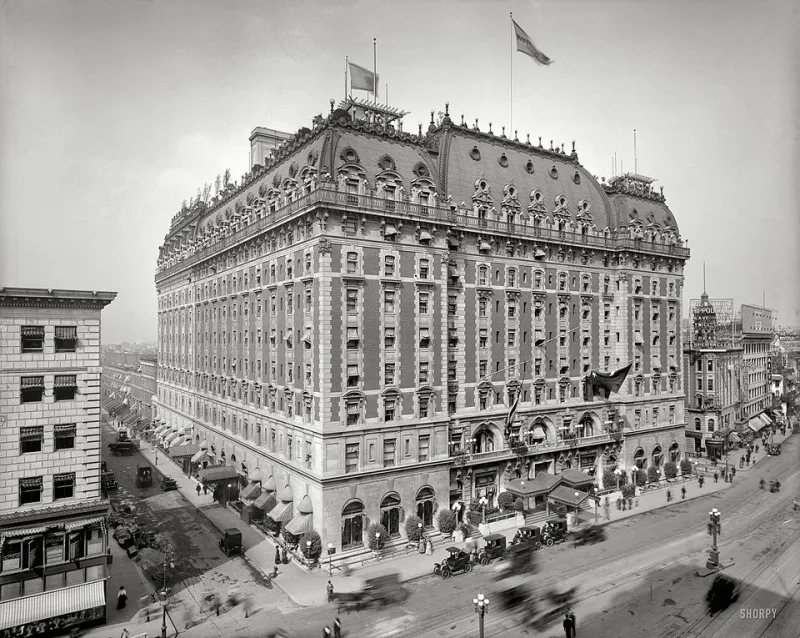
Photo: Unknown authorUnknown author, Public domain, via Wikimedia Commons
There is a peculiar irony at the heart of the most famous peace campaign in American advertising history: it cost money. Real money, spent on real billboards, in Times Square and Piccadilly and a dozen other commercial corridors, all to declare that the war in Vietnam would be over—if you wanted it. John Lennon and Yoko Ono did not stage a march. They did not chain themselves to a fence. They bought media space, the way a shoe company might, and trusted that the medium's own absurdity would become part of the message.
The Ad That Refused to Sell Anything
The December 1969 campaign was, on its surface, a promotion for nothing. No product, no brand, no call to action beyond the conditional clause hanging at the end of its slogan. 'WAR IS OVER! (If You Want It) — Love, John and Yoko.' The greeting-card warmth of the sign-off was deliberate; it reframed geopolitics as an intimate choice made by individuals rather than governments.
American commuters encountering the billboard in Times Square were being asked to do something advertising rarely demands: accept responsibility. The genius—and the vulnerability—of the gesture was that it operated entirely within the machinery of commerce it hoped to subvert. A peace message delivered via paid placement is a peace message that has already made peace with capitalism.
From Billboard to Blueprint
What happened next is the part of the story America has never fully reckoned with. The campaign became a template. Every corporate Pride campaign, every Earth Day takeover of a skyscraper's LED facade, every hashtag engineered by a marketing department carries a faint watermark of those 1969 billboards. The idea that a message of conscience could be purchased at scale—that the language of advertising could be borrowed for moral ends—entered the American playbook that winter and never left.
Protest artists took the lesson further. The Guerrilla Girls worked the same seam, wrapping critique in the visual grammar of ads. Shepard Fairey's 2008 'Hope' poster, arguably the most consequential piece of purchased-and-viral political art of the century, descends directly from the Lennon-Ono model: a simple typographic declaration, disseminated through media channels, asking the viewer to complete the sentence with their own desire.
The Meme Is the Billboard's Grandchild
Today, of course, nobody needs to rent a billboard. The attention economy has been democratized and, in the same stroke, degraded. The 'War Is Over' slogan survives in screenshots, remixes, and seasonal reposts every December—its afterlife on Instagram and TikTok is precisely the kind of organic circulation the original campaign could only dream of. But something has been lost in the transition. A billboard cost money; a repost costs nothing. And when every message is free, the question of sincerity becomes harder, not easier, to answer.
Can Bought Peace Still Mean Something?
The uncomfortable question Lennon and Ono left us is whether a peace message that travels through commercial channels is corrupted by the journey, or strengthened by its reach. Their own answer was characteristically contradictory. Lennon, ever suspicious of his own fame, understood that the billboard was a gimmick—and believed that in an age of spectacle, the gimmick was the only honest instrument left. You could not out-sincerity the television set. You could only hijack it.
Standing in Times Square today, surrounded by a hundred simultaneous sales pitches, one can still locate the ghost of that campaign in the medium itself. Every screen is a potential 'War Is Over.' Every brand with a conscience campaign is, knowingly or not, quoting two artists who spent their own money to suggest that the ending of war was a matter of collective will. Whether that inheritance honors them or hollows them is the judgment each viewer—each wanter—must make alone.